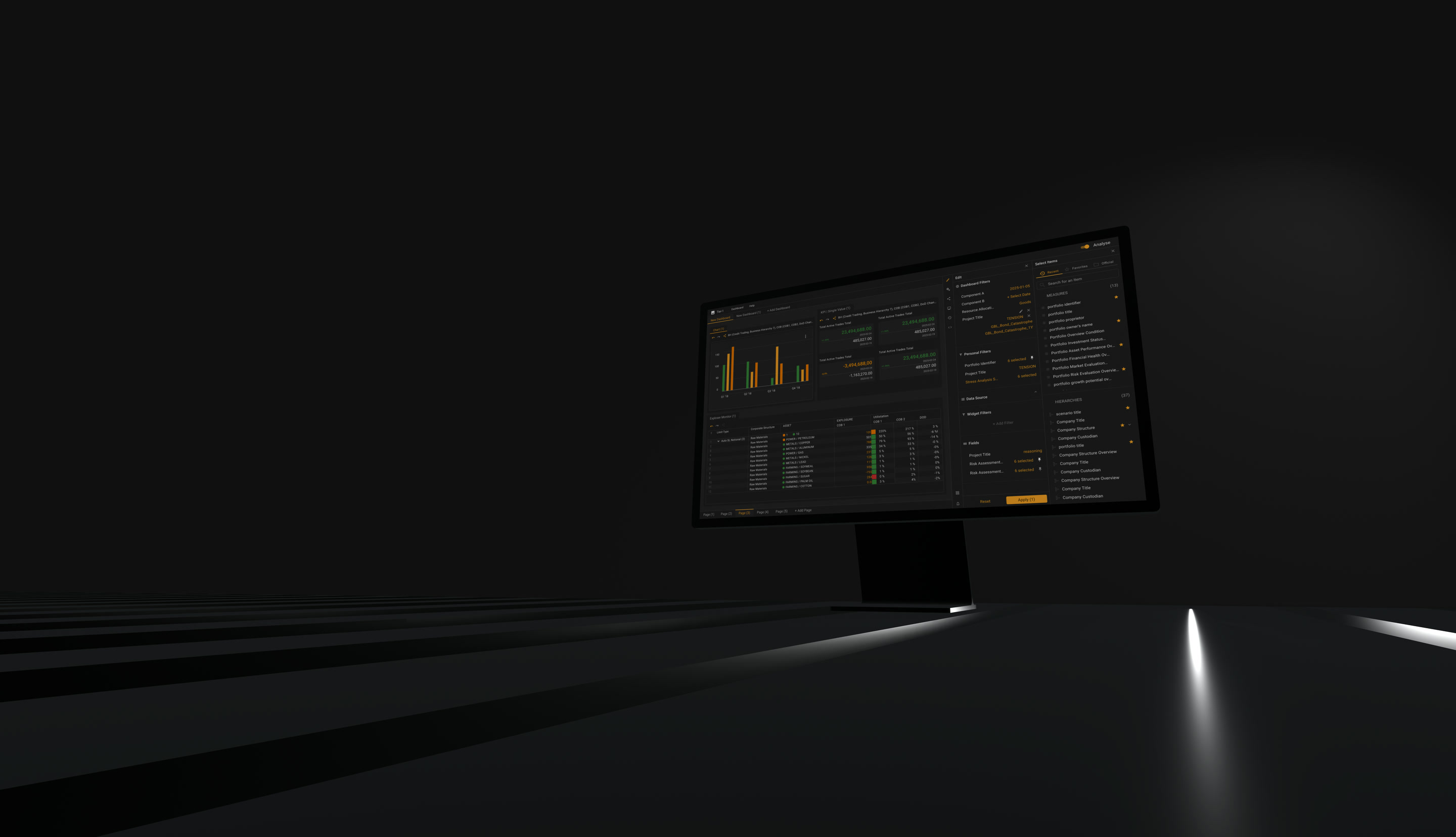
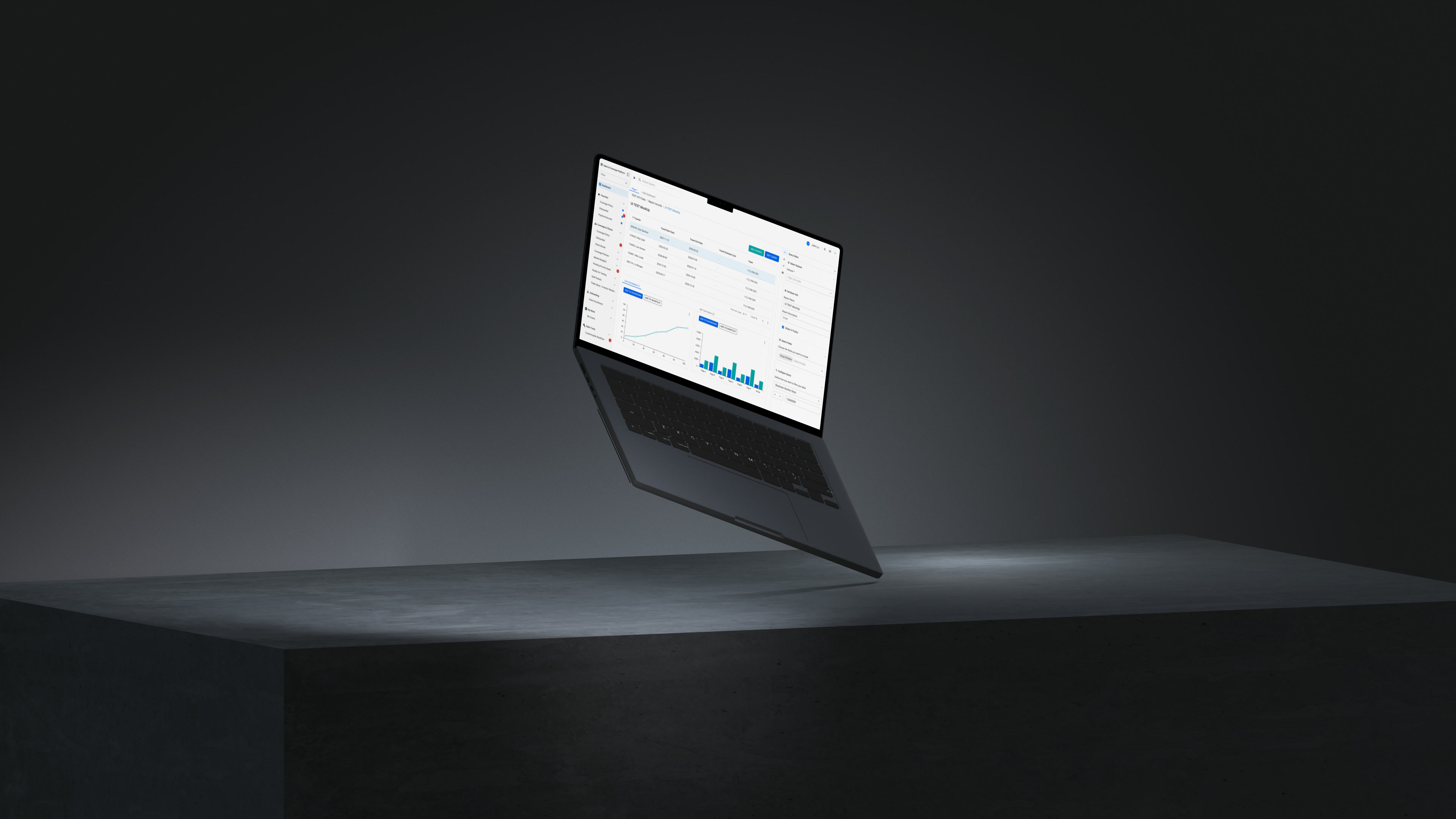
The hard part was never the layout.It is knowing where the state came from.
I design internal platforms in markets technology - market risk, sales coverage - where a screen is read in seconds by someone who already knows the domain better than I do, and a wrong number is expensive.
Warsaw. In product design since 2017. All project work in English.
Thirty seconds at the desk.
No voiceover - the sound is a music bed, and the controls are there if you want it. The screens are the healthcare products, all published here as case studies.
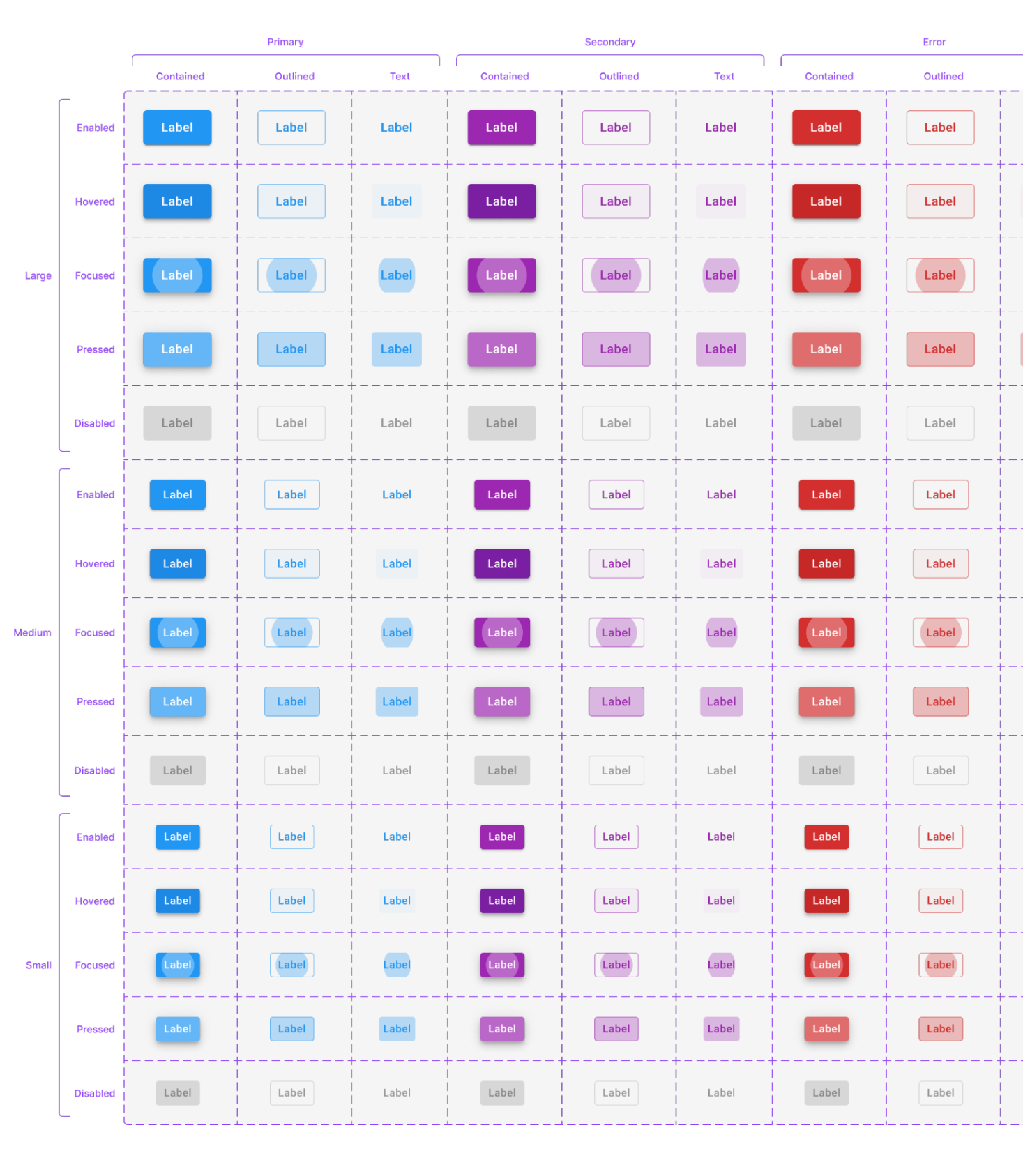
A design system is not a style guide. It is the part of the work that decides how much a new screen costs$ to build</> - and on an internal platform, where the same table appears screen after screen, that cost is most of the budget.
Most of what makes development expensive is not difficulty. It is ambiguity: the same control built three times because nobody wrote down which one was right.
A component library removes the question. States, variants, tokens and edge cases are decided once and arrive in code as one thing that already has a name. The second screen costs a fraction of the first.
On the two bank platforms that meant a hybrid - several established foundations and a client component library working as one system instead of three. On a smaller product, building the system on the existing brand made layout production roughly 30% faster.
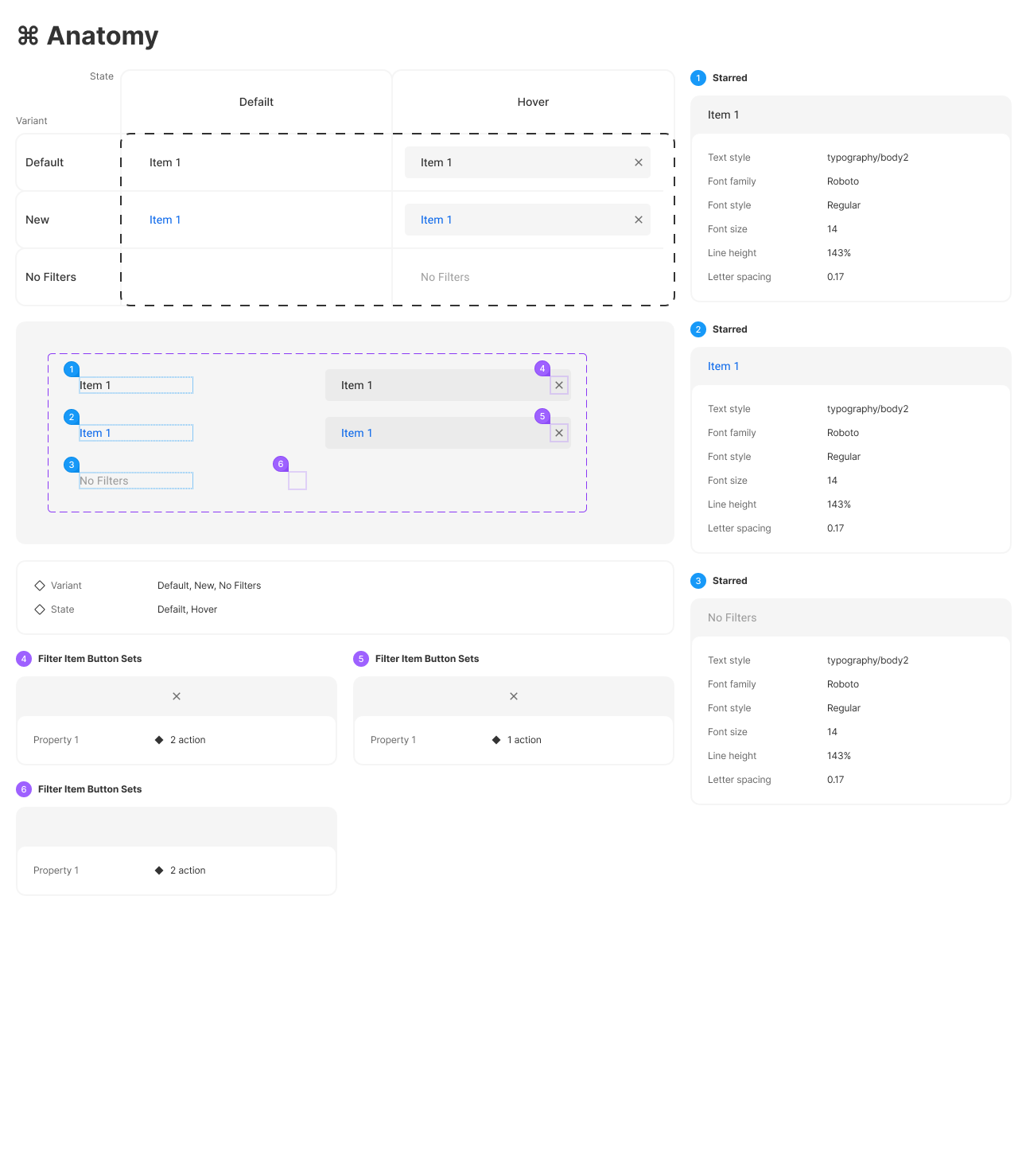
The part that gets skipped is handover. Behaviour, spacing, states, what happens when the data is missing - written next to the component, not explained in a call. What is not written down gets invented, and invented twice.
None of this shows in a portfolio shot. It shows in how long the second screen takes, and the tenth.
01
Configuration lives beside the data, never on top of it
A filter panel that covers the table hides the one thing the screen exists for. Configuration goes to the side, so you watch the grid change as you change it.
I arrived at this on one enterprise platform and carried it deliberately into the next a year later. The second time it was a rule, not a discovery.
02
State is an object, not a mood
Anything a person configures - the way they have narrowed the data, the view they have arrived at, a whole working layout - should be nameable, saveable and reopenable. Where it is not, experts rebuild the same workspace every morning: the work carries over between sessions even when the tool does not.
03
I name what I turned down
Every decision I publish carries what was considered instead and why it lost. A case study that only lists what shipped is a portfolio of outcomes. What a client is buying is the judgement that produced them.
There are no user interviews with a hundred people. There are a handful of expert teams who know the domain better than I do.
| Where the difference sits | Consumer product | Internal platform |
|---|---|---|
| Who you talk to | A recruited panel | Risk analysts, business analysts, coverage teams, admins - a fixed, small population |
| The scarce thing | A large enough sample | Access to their time |
| The question | Would people use this | Would this break something someone already relies on |
| Evidence | Analytics at scale, A/B | Expert interviews, product analytics, feedback from people who have run the system for years |
| Validation | Test, ship, measure | A prototype in front of the same small group, twice, before anything is committed |
The constraint is access, not sample size. It changes the method, and a portfolio that pretends otherwise - personas, journey maps, a hundred fictional respondents - is describing a project that did not happen.
- 2017 Internal banking procurement portal First regulated approval chains
- 2018 B2B logistics optimisation, Germany First system too big to hold in one head
- 2020 Government document platform, Switzerland Working inside someone else's design system
- 2022 Seven regulated health products Design lead, mobile and web
- 2024 Markets technology, Tier-1 bank Market risk, then sales coverage
A degree in economic analytics, and the years since spent moving towards systems where the data is the product. The healthcare years are not a detour: seven regulated products where a mistake reaches a person directly. The domain changed. The discipline - dense information, high cost of error, users who cannot be retrained - did not.